
Food Preservation & Kitchen
Canning, fermenting, dehydrating, root cellaring, curing meat and baking bread, with safe numbers from food-safety sources.
Preserving the harvest is the one homestead skill where the exact numbers really matter. Acidity, headspace, processing time and altitude decide whether a jar is safe, not the recipe's age or how good it looks.
These guides cover water-bath and pressure canning, fermenting, dehydrating, root cellaring, curing and smoking meat, safe cooking temperatures and bread baking, with every figure taken from food-safety and extension sources.
All Food Preservation & Kitchen guides (14)
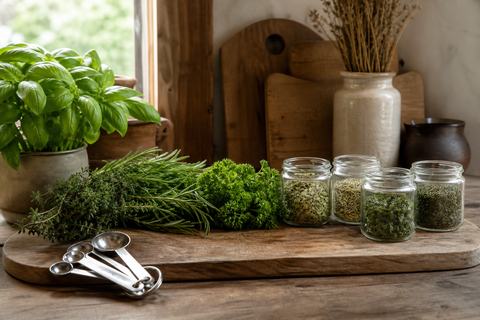
Fresh vs. Dried Herb Swaps
The fresh-to-dried herb ratio (and why it only works one way), when to add each, the garlic and ginger exceptions, and storage tips.
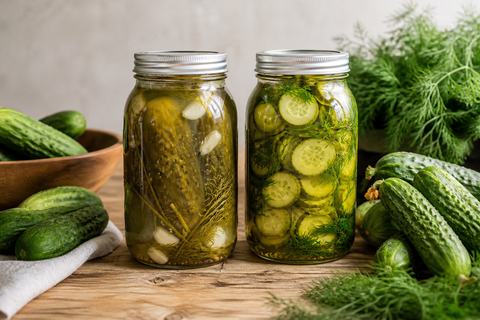
Fermented vs. Quick Pickles
Two different ways pickles get their tang, the brine temperature that decides crunch vs. mush, and fixes for soft or hollow pickles.
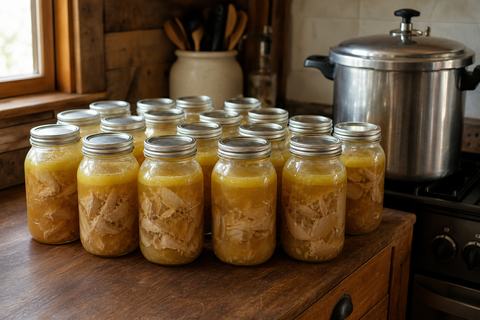
Canning Meat & Broth Safely
Hot pack vs. raw pack, headspace and processing times by jar size, and the prep steps for safe home-canned meat, poultry and broth.
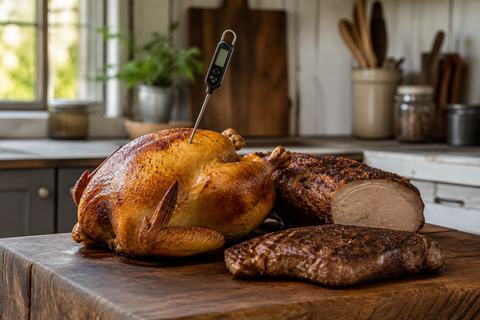
Safe Meat Temperatures
USDA safe temperatures for beef, pork, poultry, rabbit, venison and eggs, where to put the thermometer, and how to calibrate it.
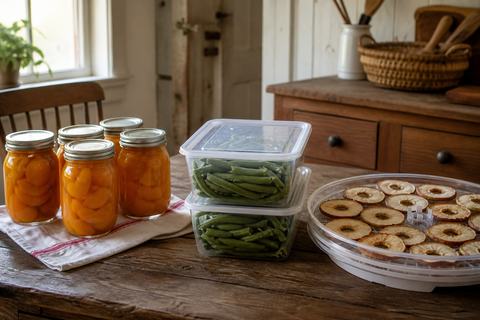
Canning vs. Freezing vs. Drying
Nutrients kept, shelf life, equipment cost and the safety line for each method, so you can pick the right way to preserve each crop.
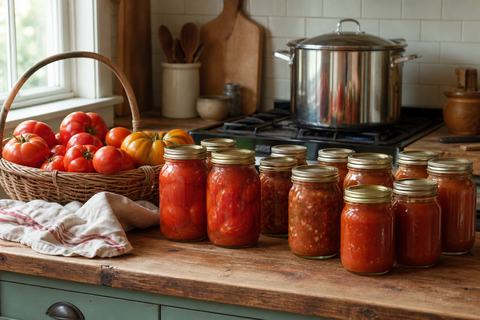
Canning Tomatoes Safely
How much lemon juice or citric acid each jar needs, why salsa can't be improvised, and water-bath times by product and altitude.
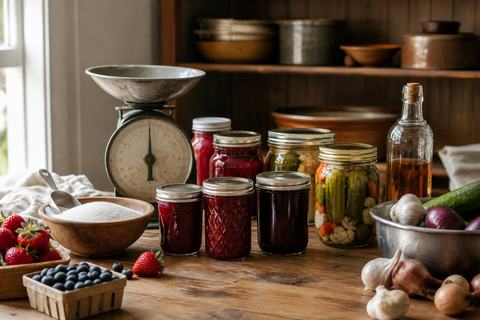
Jam & Pickle Ratios
Why jam sets, fruit-to-sugar ratios without added pectin, high and low pectin fruits, and safe vinegar and salt ratios for pickle brine.
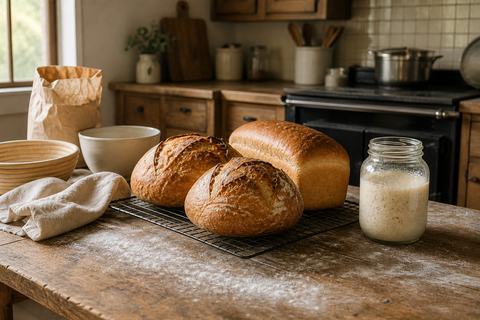
Baking Bread at Home
Real dough temperatures for yeast bread, a 5-day sourdough starter, the no-knead method and which flour to use. A beginner's guide.
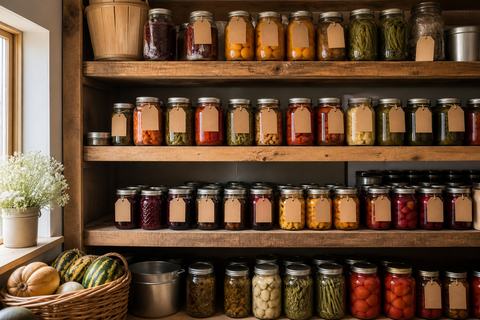
Pantry Labels & Shelf Life
Best-by vs. expiration dates, how long home-canned jars last, canned-goods storage times and a first-in-first-out pantry system.
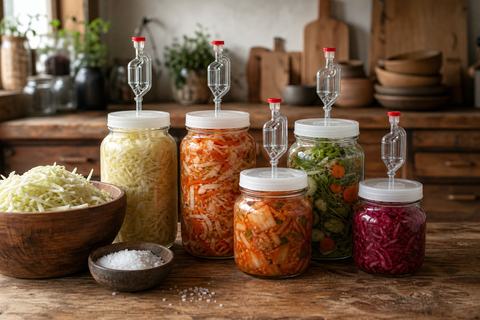
Fermenting Vegetables at Home
Salt ratios, fermentation temperature and time, and the safety signs that matter for homemade sauerkraut and fermented pickles.
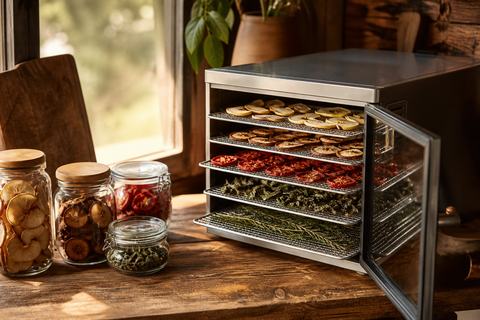
Food Dehydrating Basics
The right drying temperature, why fruit needs a dip, the storage step beginners skip, and the extra safety step jerky needs.
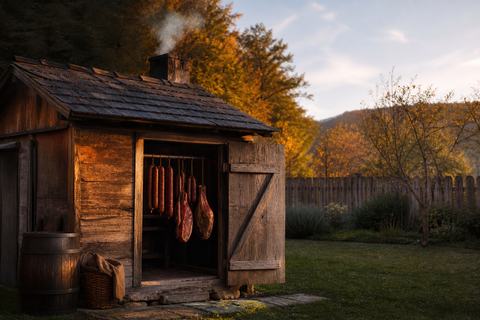
Smoking & Curing Meat
Why the cure, not the smoke, makes cured meat safe: exact ratios, curing time by thickness, and hot smoking before cold smoking.
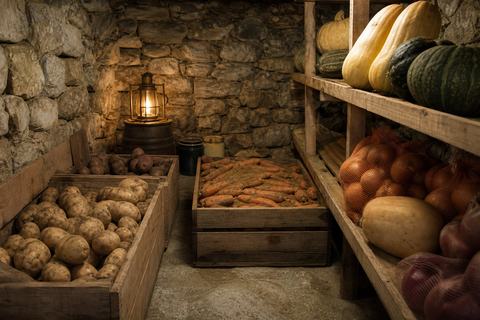
Root Cellar Storage
Temperature and humidity zones, curing steps and storage life for potatoes, onions, carrots, squash and more, no canning needed.
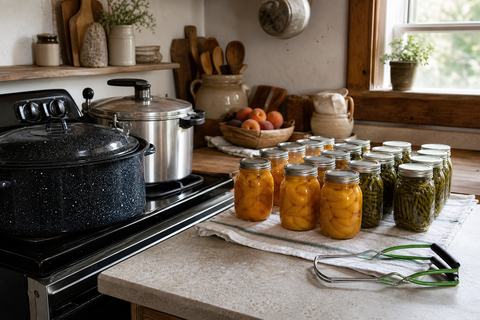
Home Canning for Beginners
Why acidity decides water-bath vs. pressure canning, jar and lid prep, headspace and altitude adjustments, from extension sources.