How to Start a Backyard Apple Orchard: A Beginner's Guide
The decisions that matter happen before you ever dig a hole: chill hours, pollination pairs, and rootstock size. Get those right and the rest is mostly patience.
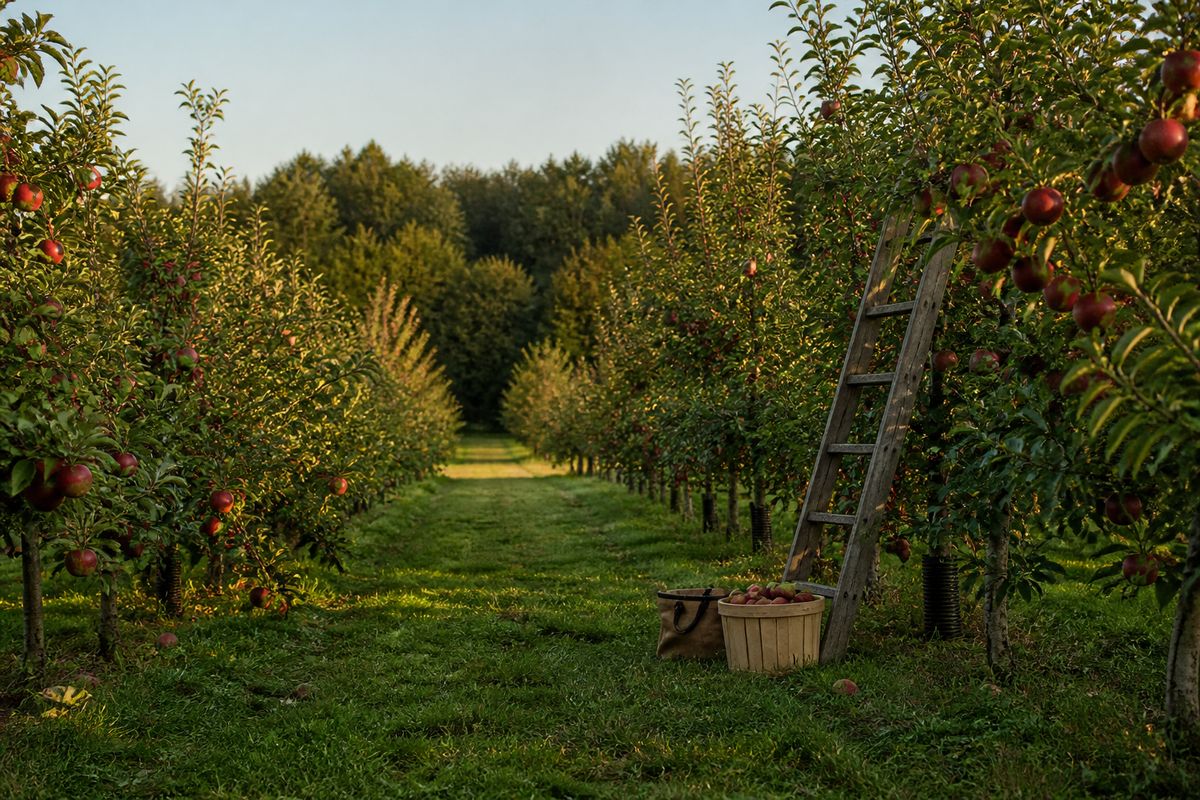
An apple tree is a decade-long commitment planted in one afternoon, which is exactly why the planning stage matters more than it does for almost anything else in a vegetable garden. Pick the wrong rootstock or skip the pollinator and you won't find out you made a mistake until years two or three — by which point it's a much bigger job to fix. Here's what university extension research actually says, before you order a single tree.
Match your climate before you fall in love with a variety
Apple varieties are bred for specific climates, and the deciding factor is usually chill hours — the amount of cold-but-not-freezing weather a tree needs over winter to break dormancy properly in spring. Plant a variety that needs more chill hours than your winters provide and you'll get poor, uneven bud break; plant one bred for a much colder climate than yours and you risk late frost damage on early bloom. Match ripening time to your own frost dates too: short-season growers should lean toward early varieties (like Lodi), while late-ripening varieties (like Fuji) generally need a longer, warmer season than a short-summer garden can give them. Your local extension office or experienced growers nearby are the fastest way to find out what actually performs in your specific area.
You almost certainly need two trees, not one
This is the single most common first-orchard mistake: most apple varieties are self-unfruitful, meaning a lone tree will bloom but set little to no fruit. You need a second, genetically different variety that blooms at the same time, planted within roughly 50–100 feet, for cross-pollination. A few important wrinkles:
- Two trees of the same variety cannot pollinate each other — they need to be genetically distinct.
- Golden Delicious is a notable partly self-fertile exception, but even it fruits better with a pollinator nearby.
- Some varieties — Jonagold, Winesap, and Mutsu (Crispin) among them — are themselves poor pollinators and need a third variety in the mix to pollinate them.
- If you're short on space, a crabapple can serve as an effective pollinator for many varieties.
Rootstock decides the size of the tree you'll actually manage
The variety determines the fruit; the rootstock determines the size, spacing, and how many years until first fruit. This is the decision that shapes everything else about your planting plan:
| Rootstock class | Mature height | Spacing (in row × between rows) | Years to first fruit |
|---|---|---|---|
| Dwarf (e.g. M.9) | 8–15 ft | ~3–5 ft × 12 ft | 2–3 years |
| Semi-dwarf (e.g. M.26, M.7) | 15–20 ft | ~7–8 ft × 12–16 ft | 4–5 years |
| Standard (e.g. M.111, seedling) | 20+ ft | 18 ft × 26 ft | Up to 8 years |
Planting: timing and hole prep
Plant bare-root trees while dormant, as early in spring as your soil can be worked. Dig the hole no deeper than the root system needs, but two to three times wider than the roots — width, not depth, is what lets young roots spread into loosened soil. Skip the fertilizer at planting time; amending with a modest amount of compost is fine, but fresh fertilizer right at the roots can do more harm than good to a newly transplanted tree.
First-year care
- Water: roughly 1 inch per week through the growing season (May–October in most temperate climates), adjusted for rainfall and soil type.
- Mulch: 2–3 inches deep around the root zone, kept a few inches clear of the trunk itself to avoid rodent damage and trunk rot.
- Staking: recommended for the first few years on any tree, and essentially required for the life of a true dwarf rootstock.
- Fertilizer: hold off in year one; light feeding typically starts the following spring for young trees.
From planting day to your first harvest
Chill-hour planning and rootstock spacing get you in the ground correctly — but pruning schedules, pest timing, and knowing when to actually pick each variety are a multi-year learning curve. The Apple Orchard Guide ebook walks through growing, harvesting, and preserving your crop once the trees start producing.
Browse the shop →More Vegetable Garden & Orchard guides
- Sources:
- Cornell Cooperative Extension — New Apple Grower: An Overview
- Utah State University Extension — Apple Production and Variety Recommendations
- Iowa State University Extension — Do I Need a Second Tree for Pollination?
- University of Minnesota Extension — Growing Apples
- Penn State Extension — Apple and Pear Tree Spacings on Various Rootstocks
- Washington State University Tree Fruit — Apple Rootstocks